
Play-BasedTechniques
Targets communication, social interaction, and adaptive behaviors through play. Highly flexible and tailored to each child's developmental stage. Parents learn strategies to reinforce gains at home.
About This Approach
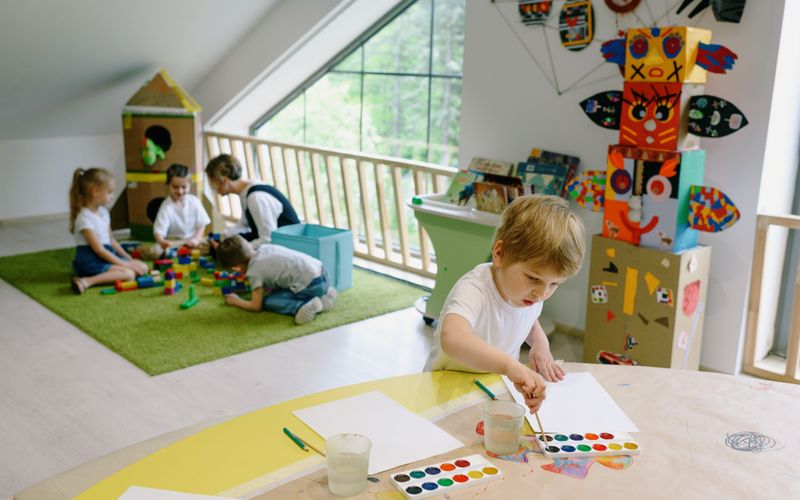
Play-Based Techniques use the power of play as the primary vehicle for skill development. Because play is a child's most natural mode of engagement, embedding ABA principles within play activities reduces behavioral resistance and increases the joy of learning. Therapists structure play to target joint attention, imitation, symbolic play, and peer interaction — systematically shaping more complex social and communication behaviors over time.
Key Techniques
Best Suited For
Young children (ages 2–7) who learn best through movement and exploration rather than structured table work. Ideal as a complement to DTT for children in early intervention, and for children whose play skills are significantly below their developmental age.
Quick Facts
¡Conéctateahoraparaasegurarelplandeterapiapersonalizadodetuhijo!
Cada momento importa en el desarrollo de tu hijo. No esperes — comencemos su avance hoy.
Further Reading